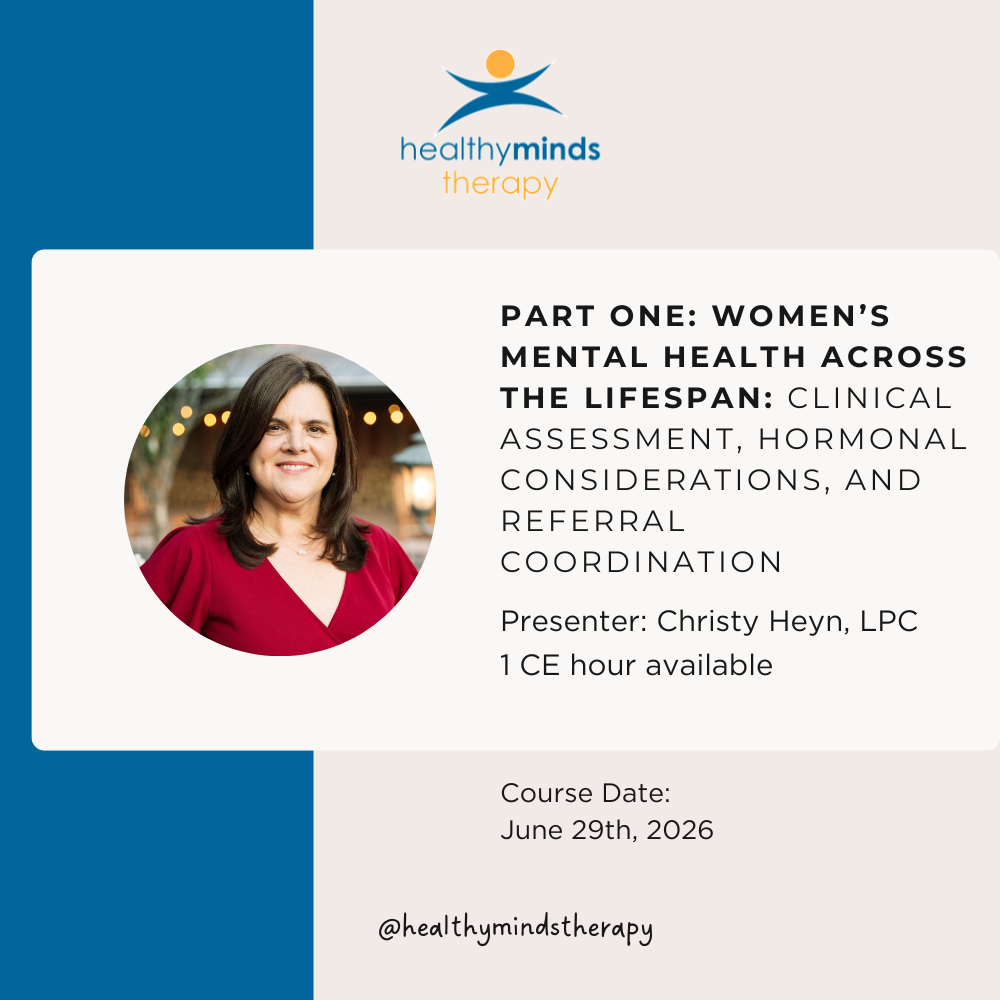
This 60-minute continuing education (CE) training for mental health professionals provides a practical, evidence-informed exploration of women’s mental health in outpatient therapy settings. The course will focus on hormonal and reproductive transitions that are frequently overlooked, misdiagnosed, or misunderstood in clinical practice.
Designed for therapists, counselors, social workers, psychologists, and other behavioral health providers, this women’s mental health training examines how hormonal fluctuations across the lifespan—including menstrual cycles, PMDD, pregnancy, postpartum changes, fertility challenges, perimenopause, and menopause—can significantly impact mood, anxiety, trauma symptoms, cognition, sleep, and nervous system regulation.
Participants will learn how to:
Integrate hormonal and reproductive mental health screening into intake and treatment planning
Recognize signs of hormone-related mood and anxiety disorders
Reduce the risk of misdiagnosis in women’s mental health care
Differentiate trauma-related symptoms from hormonally influenced symptom patterns
Understand the nervous system impacts of reproductive transitions
Apply ethical, scope-appropriate clinical decision-making in outpatient settings
This CE course also addresses common diagnostic pitfalls. This includes when symptoms may be inaccurately attributed solely to depression, anxiety, personality disorders, or trauma without adequate assessment of biological contributors. Clinicians will gain greater diagnostic clarity and confidence when treating clients navigating perinatal mental health concerns, reproductive transitions, and midlife hormonal changes.
Throughout the training, participants will receive information on how to provide culturally responsive, inclusive care that honors diverse reproductive experiences. The overall goal is to strengthen clinical competence in women’s mental health.
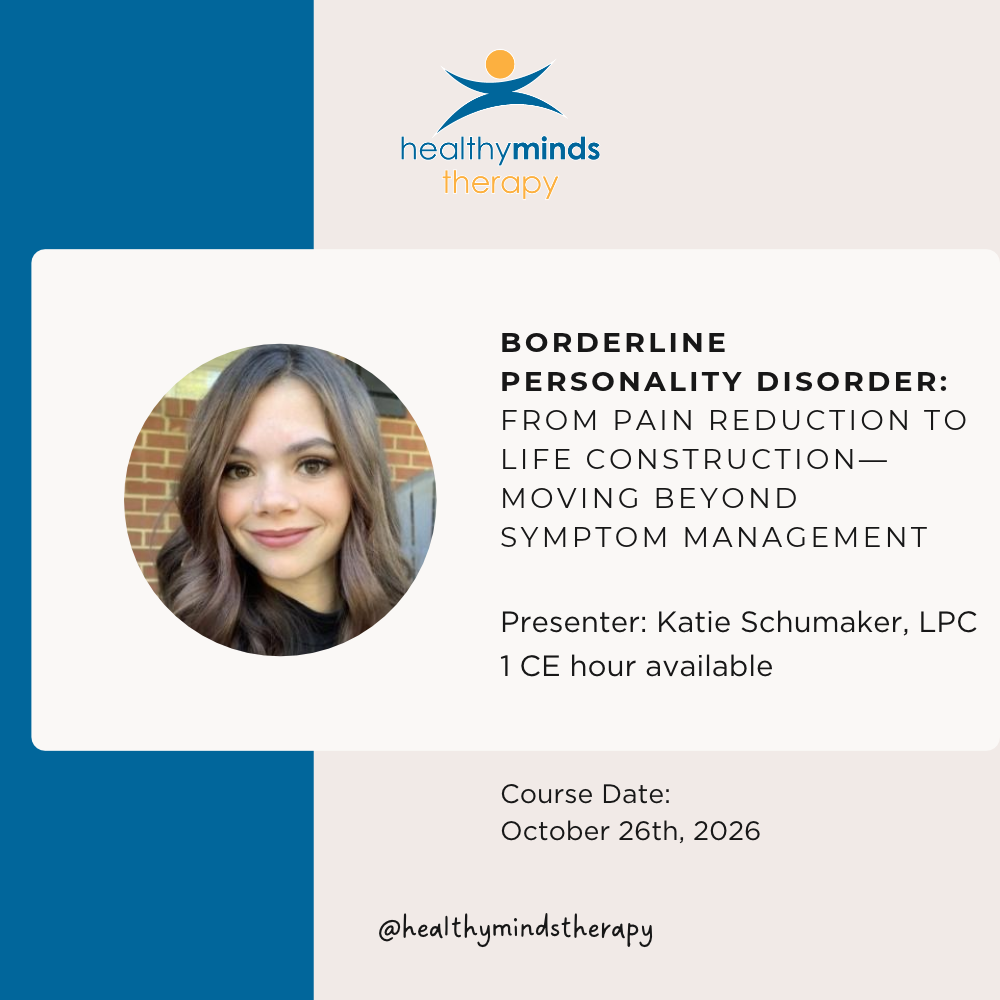
Working with clients diagnosed with Borderline Personality Disorder (BPD) can be both deeply rewarding and uniquely challenging. While traditional treatment approaches often emphasize symptom management, crisis intervention, and reducing harmful behaviors, effective care also involves helping clients move beyond simply managing distress toward building meaningful, fulfilling lives.
This training invites clinicians to rethink how they approach BPD treatment by shifting from a primarily management-focused model to one that emphasizes growth, connection, resilience, and long-term quality of life.
Participants will explore the complexities of working with individuals with BPD, including the emotional and relational challenges that can arise throughout the therapeutic process. Special attention will be given to understanding the underlying experiences and needs of these clients, fostering greater empathy, and developing a more compassionate and collaborative therapeutic approach.
The presentation will also address the impact that working with high-acuity clients can have on clinicians, including emotional exhaustion, frustration, and burnout. By reframing treatment goals, establishing realistic expectations, and recognizing opportunities for meaningful progress beyond symptom reduction, clinicians can develop a more sustainable and rewarding approach to care.
Key topics will include:
Understanding BPD through a compassionate, person-centered lens.
Exploring the limitations of treatment models focused primarily on symptom and crisis management.
Supporting clients in moving from pain reduction toward building meaningful, values-driven lives.
Strengthening therapeutic relationships through empathy, validation, and realistic treatment expectations.
Navigating the emotional demands of BPD treatment while reducing clinician frustration and burnout.
Cultivating a sustainable clinical approach that supports both client progress and clinician well-being.
Who Should Attend:
This training is designed for mental health professionals, including therapists, counselors, social workers, psychologists, and other clinicians who work with individuals diagnosed with BPD or who want to deepen their understanding of compassionate, effective, and sustainable treatment approaches.
The Goal:
To help clinicians move beyond simply managing symptoms and crises toward supporting clients in creating lives worth living, while fostering greater empathy, clinical confidence, and professional sustainability.
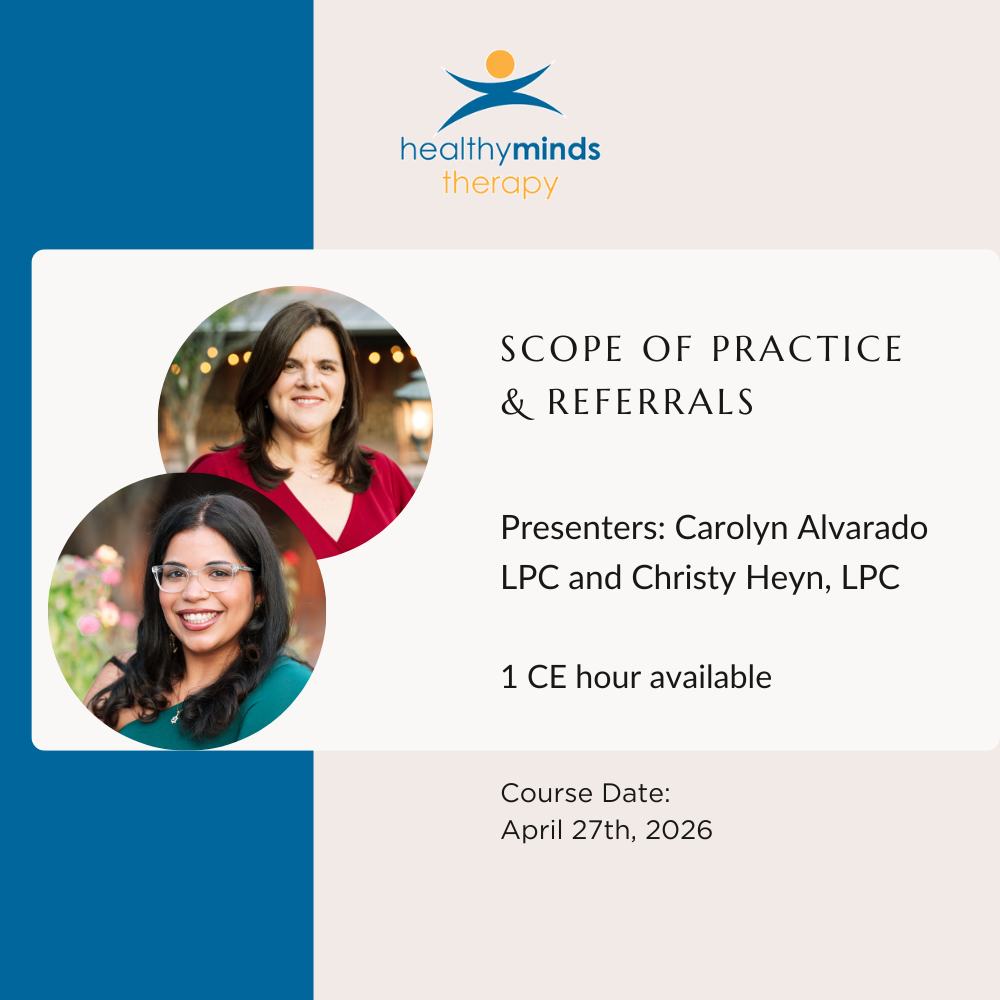
This continuing education (CE) training provides therapy staff with a comprehensive understanding of the scope of practice in mental health settings. This course strengthens confidence in navigating complex clinical situations while maintaining professional and legal boundaries.
Participants will learn structured clinical decision-making frameworks to evaluate scope of practice concerns, determine competence levels, and assess when supervision, consultation, or referral is necessary. The training emphasizes practical application, helping clinicians recognize when clients’ needs extend beyond their training, licensure, or specialization.
Key topics include:
Defining and understanding the scope of practice for therapists
Ethical standards and professional boundaries in therapy
Recognizing limitations of competence
Effective referral processes in mental health settings
Risk management and liability considerations
Documentation best practices
Addressing dual relationships and boundary challenges
Through real-world case examples and interactive discussion, participants will strengthen their ability to make ethical, client-centered decisions that protect both client welfare and professional integrity.
By the end of this CE course, therapy staff will have increased clarity around ethical decision-making in clinical practice, stronger risk management skills, and practical tools to confidently operate within their professional scope of practice.
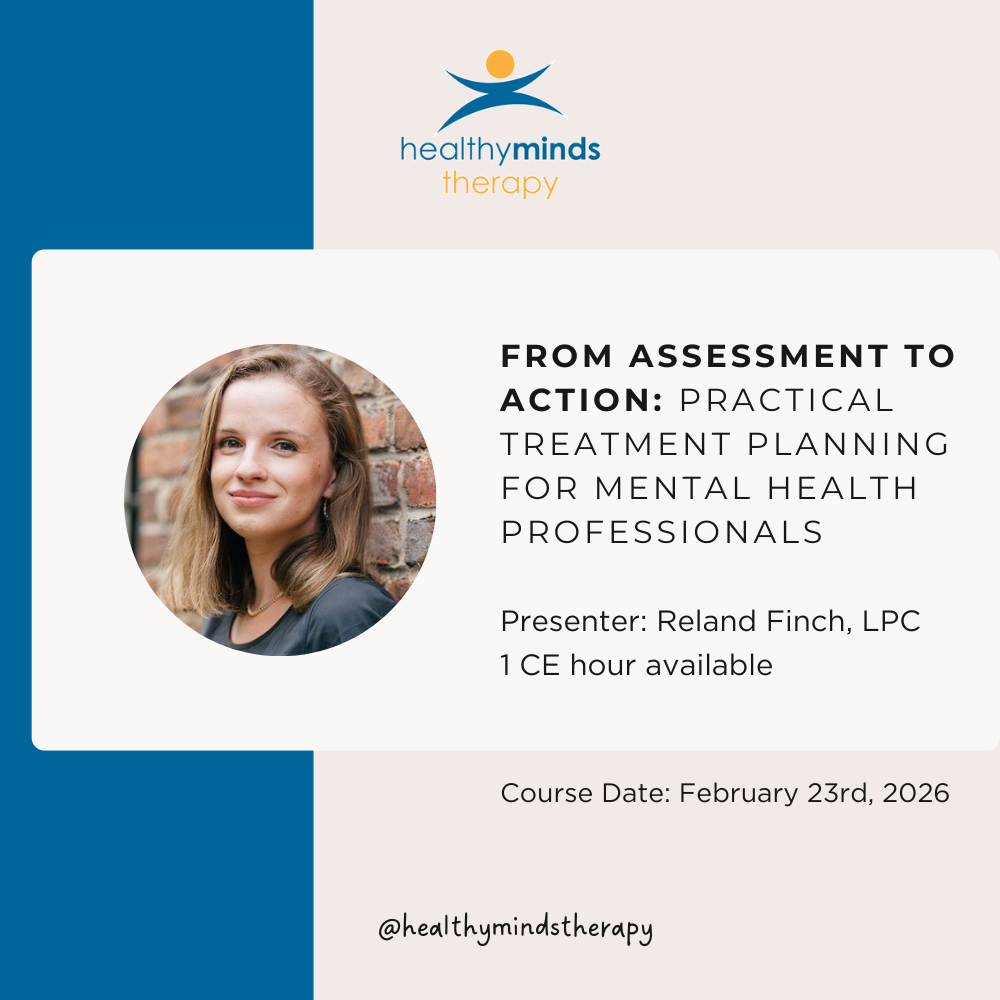
Effective treatment planning is more than a required document. It is the clinical roadmap that guides meaningful, measurable client progress. Yet many clinicians struggle to translate rich assessment data into clear, actionable, and insurance-compliant treatment plans that truly drive outcomes.
This continuing education course provides mental health professionals with a structured, practical approach to developing individualized, strengths-based treatment plans that align with diagnosis, medical necessity, and client goals. Participants will learn how to move from assessment findings to SMART objectives, select appropriate interventions, and ensure documentation supports clinical decision-making and reimbursement requirements.
Through case examples and real-world applications, clinicians will strengthen their ability to:
Link assessment data directly to treatment goals
Write measurable, outcome-driven objectives
Select interventions grounded in clinical theory and best practice
Demonstrate medical necessity clearly and effectively
Create collaborative plans that increase client engagement and buy-in
Avoid common documentation pitfalls that increase audit risk
This course is ideal for counselors, social workers, psychologists, marriage and family therapists, and clinical supervisors seeking to enhance both clinical clarity and documentation confidence.
Participants will leave with practical tools and templates they can immediately implement in practice.
No results match your search. Try removing a few filters.